
The Soul of the City: How Cinema Captures the Poetry of Urban Wanderlust
Have you ever walked through a city and felt that the streets were telling you a story? At Cultural and Educational Travel, we believe destinations are more than points on a map. They are living tapestries woven from history, art, and human connection.
Cinema has a unique way of capturing this invisible magic. When great directors film an urban landscape, the city stops being a mere backdrop and becomes a protagonist.
If you’re a traveler who prefers the whisper of a hidden courtyard to a crowded tourist spot, these four films from around the globe will make you fall in love with the soul of their cities.
Buenos Aires: Memory and Melancholy in El secreto de sus ojos
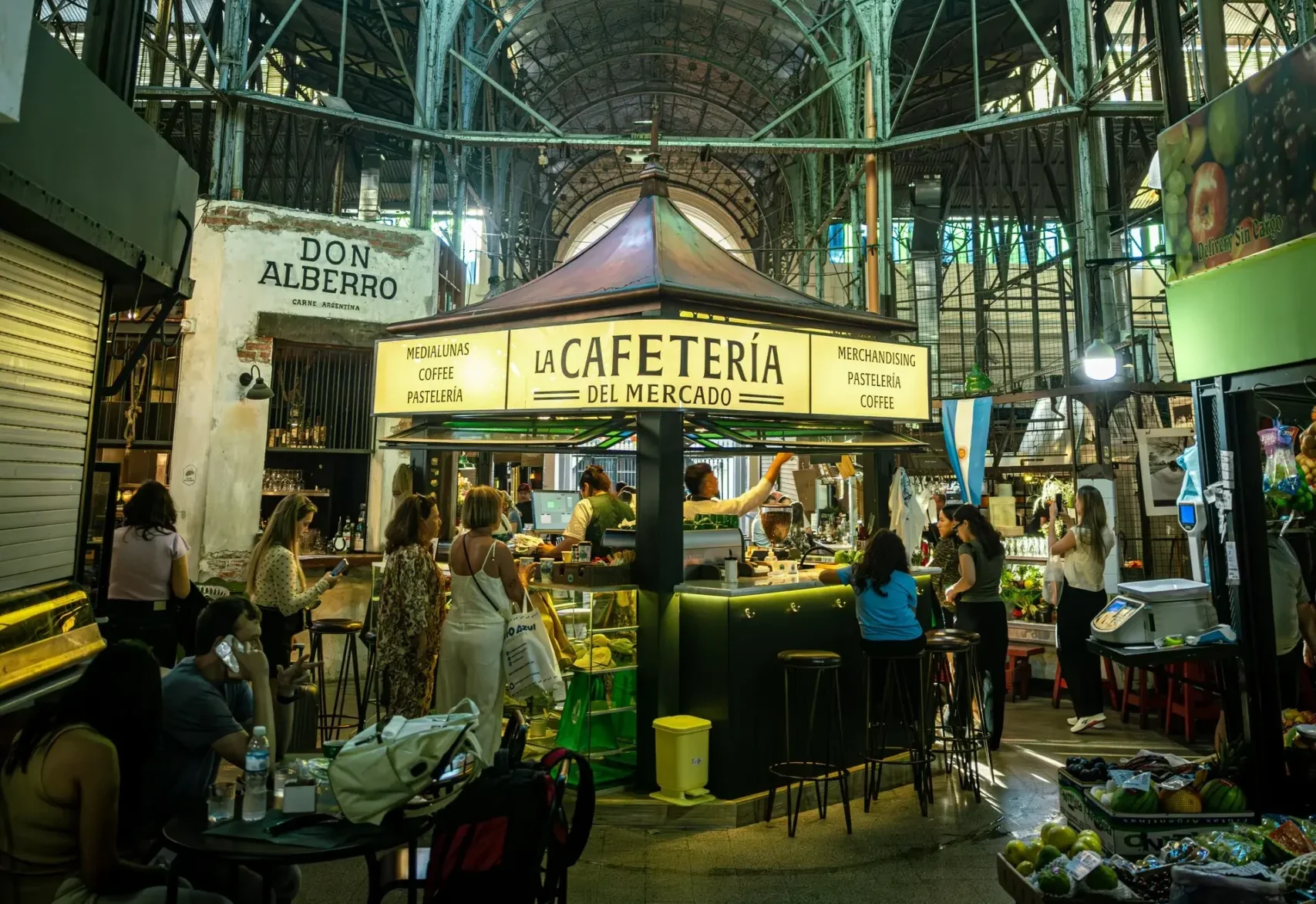
In Juan José Campanella’s masterpiece, Buenos Aires is painted with a nostalgic brush. The film takes us through the historic halls of the Palace of Justice, old neighborhood cafés, and roaring football stadiums. It captures the Argentine sense of melancolía, where the past is always alive in the present. Seeing the city through this lens reminds us that every street corner holds a secret, waiting for a patient traveler to discover it.
Paris: The Whimsical Charm of the Everyday in Amélie
Jean-Pierre Jeunet redefined how the world sees Paris by focusing on the micro-details of daily life. Far from the grand tourist clichés, Amélie invites us to wander the streets of Montmartre, visit a quiet carousel, and find beauty in a simple train station. It teaches the art of the flâneur, the wanderer who finds wonder in the smallest moments of a city.
Tokyo: The Zen of Routine and Light in Wim Wenders’ Perfect Days
Wim Wenders shows us Tokyo, but not the overwhelming, neon-soaked version we usually see. Instead, Perfect Days offers a quiet, architectural, and deeply poetic city. Through the eyes of a man who listens to cassettes from the 70s and 80s while driving, and who photographs sunlight filtering through tree leaves (komorebi), we discover hidden public parks and neighborhood bathhouses. It is a lesson in slow travel, showing how peace can be found in the heart of a metropolis.
Santiago: History, Youth, and Shared Spaces in Machuca
Set in the turbulent year of 1973, Andrés Wood’s Machuca shows Santiago de Chile through the eyes of two boys from completely different worlds. The film contrasts the city’s neighborhoods, from the elegant, classic homes of the wealthy to the humble settlements along the river. Santiago becomes a canvas of social memory and identity, proving that understanding a city’s layout and history is essential to understanding its people.