
Anglatin – Technical & Educational Study Tours
Kenya is a country where landscapes stretch into infinity, wildlife moves freely across golden plains, and cultures carry the wisdom of centuries. For travelers, students, and professionals interested in geography, agriculture, society, and natural ecosystems, Kenya offers one of the most dynamic learning destinations in Africa.
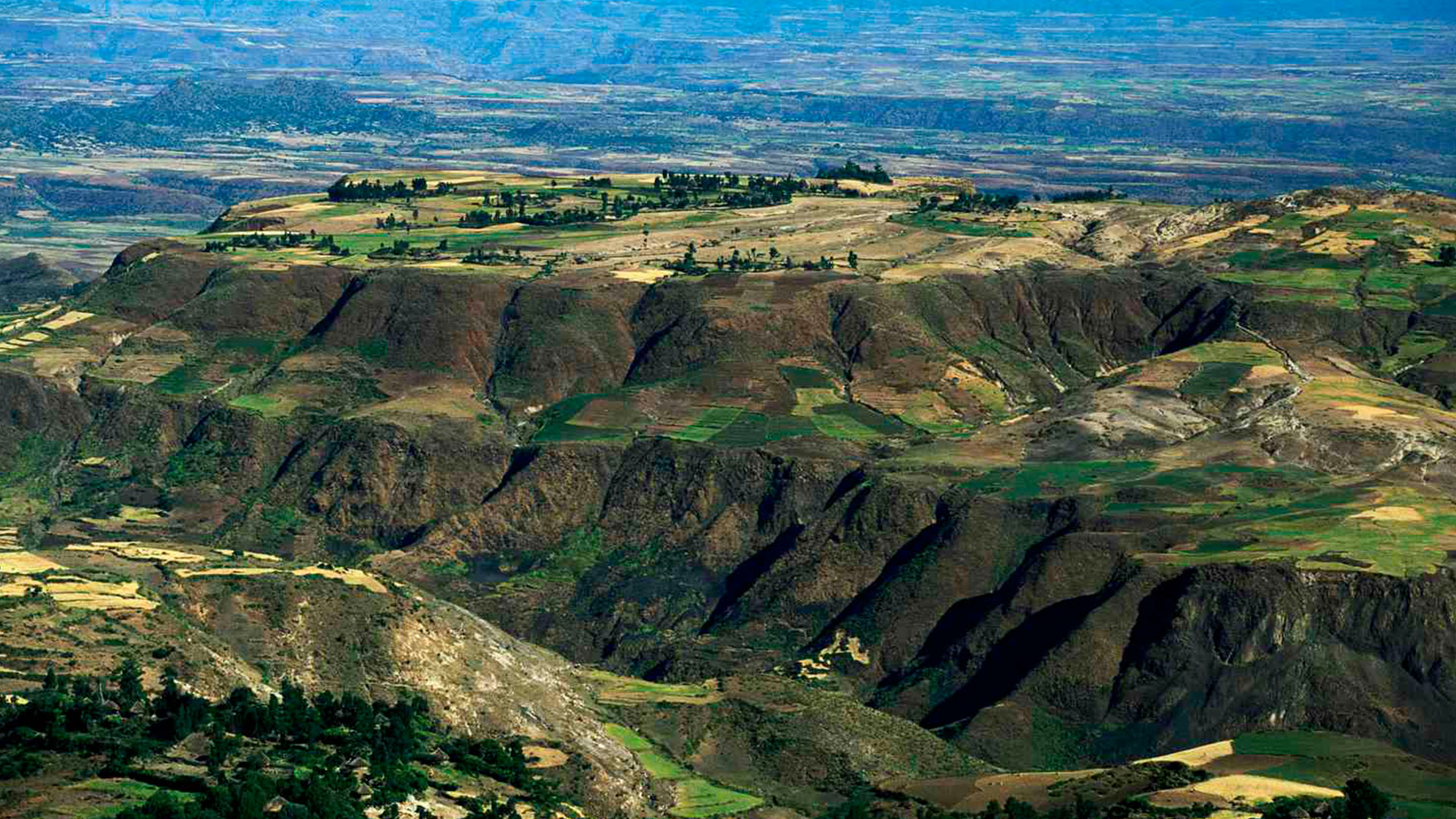
Kenya’s geography is an open-air textbook. From the coral beaches of the Indian Ocean to the snowy summit of Mount Kenya, the country is defined by striking contrasts.
Key geographical features include:
Agriculture is the backbone of Kenya’s economy, employing a significant portion of the population. It blends traditional practices with modern techniques, often in response to climate variability.
Main agricultural strengths include:
Kenya’s cultural identity is shaped by more than 40 ethnic groups, each contributing unique languages, artistic expressions, and ancestral knowledge.
Visitors encounter:
A safari in Kenya is more than a trip — it is a front-row seat to the natural world’s most impressive stories. In protected areas like the Maasai Mara, Amboseli, Samburu, and Tsavo, wildlife thrives in vast, uninterrupted habitats.
Travelers may witness:
Because Kenya is a living classroom of geography, agriculture, culture, and ecology.
For technical study programs, academic groups, and professionals, the country offers:
 Geography: Where Nature Writes in Grand Scale
Kenya’s geography is an open-air textbook. From the coral beaches of the Indian Ocean to the snowy summit of Mount Kenya, the country is defined by striking contrasts.
Key geographical features include:
- The Great Rift Valley, a dramatic geological trench visible from space, home to lakes, volcanoes, and unique ecosystems.
- Savannas and grasslands such as the Maasai Mara, where millions of animals migrate every year.
- Highland regions, fertile and temperate, ideal for tea and coffee cultivation.
- Arid and semi-arid lands that highlight the challenges of water management and pastoral livelihoods.
 Agriculture: Heritage, Innovation, and the Challenge of Climate
Agriculture is the backbone of Kenya’s economy, employing a significant portion of the population. It blends traditional practices with modern techniques, often in response to climate variability.
Main agricultural strengths include:
- Tea and coffee from the central highlands — globally recognized for quality.
- Horticulture, including flowers and fresh vegetables, which are major export products.
- Pastoralism, especially in arid regions, where communities rely on cattle, goats, and camels.
- Smallholder farms, which form the heart of domestic food production.
- Emerging agro-technologies, such as drip irrigation, climate-smart agriculture, and solar-powered water systems.
 Culture: A Mosaic of Traditions and Modern Identity
Kenya’s cultural identity is shaped by more than 40 ethnic groups, each contributing unique languages, artistic expressions, and ancestral knowledge.
Visitors encounter:
- The Maasai, known for their deep connection to land, cattle, and community traditions.
- The Swahili Coast, blending African, Arabic, and Indian influences in architecture, cuisine, and trade history.
- Vibrant contemporary culture, from Nairobi’s art scene to music, fashion, and social entrepreneurship.
 Safari: A Living Encyclopedia of Wildlife
A safari in Kenya is more than a trip — it is a front-row seat to the natural world’s most impressive stories. In protected areas like the Maasai Mara, Amboseli, Samburu, and Tsavo, wildlife thrives in vast, uninterrupted habitats.
Travelers may witness:
- Herds of elephants moving across the plains
- Lions resting under acacia trees
- Giraffes stretching toward the afternoon sun
- Zebras and wildebeests participating in the Great Migration
 Why Kenya for Anglatin?
Because Kenya is a living classroom of geography, agriculture, culture, and ecology.
For technical study programs, academic groups, and professionals, the country offers:
- Real-world lessons in sustainability and rural development
- Firsthand observation of wildlife conservation
- Encounters with communities whose traditions enrich global understanding
- A chance to experience nature at its most majestic